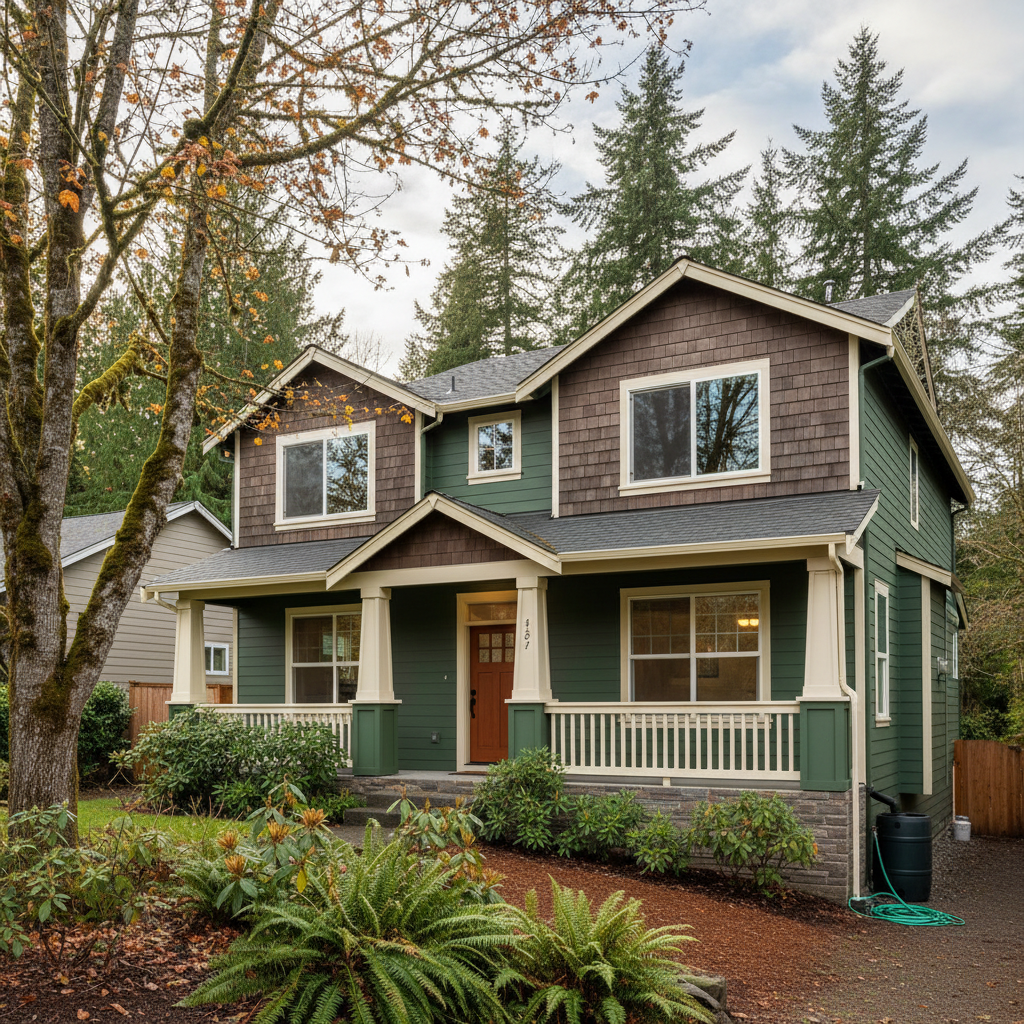
Alright, let's talk about painting your house here in Shoreline. It's not just about picking a color you like; it's about picking the right time to paint, especially if you want that color to actually last. I've seen too many folks jump into an exterior paint job without really thinking about our local weather, and trust me, that's a quick way to throw money out the window.
When to Schedule Your Exterior Color Consultation
This is probably the biggest question I get, and it's a good one. For exterior painting around here, timing is everything. You're looking for that sweet spot of dry, moderate weather, and that usually means late spring through early fall. Think May through September, maybe even into early October if we get a nice, dry stretch.
Now, when should you schedule the consultation? Don't wait until May! If you want to get on a good contractor's schedule for that prime painting season, you should be talking to us in late winter or early spring. February, March, April – that's when you want to start getting bids and talking colors. Why so early? Because good painters, like us at Top Notch Painting Inc, get booked up fast once the sun even thinks about showing its face. If you wait until June to call, you might be waiting until next year.
During the consultation, we're not just talking about shades of gray or blue. We're looking at your home's exposure to sun and rain, the condition of your siding, and what kind of prep work is going to be needed. That all impacts the final look and how long it'll hold up.
How Shoreline Weather Affects Your Paint Job
Our weather here in Shoreline is beautiful, but it's also a challenge for exterior paint. You know how it is: we get those long, wet winters, followed by a few months of glorious sunshine, and then the drizzle starts up again. That moisture is the enemy of fresh paint.
- Rain and Humidity: Paint needs time to cure properly. If it rains too soon after application, or if the humidity is too high, the paint won't adhere right. You'll get blistering, peeling, or a dull finish. We're always checking the forecast, not just for rain, but for dew points too. Painting a house that's still damp from morning dew? That's a no-go.
- Temperature Swings: Extreme temperatures, hot or cold, aren't good either. If it's too cold, paint won't dry or cure. Too hot, and it can dry too fast, leading to brush marks or poor adhesion. We're looking for that Goldilocks zone, usually between 50 and 85 degrees Fahrenheit.
- Sun Exposure: Even when it's sunny, you can't just slap paint on a scorching hot wall. The sun can cause paint to dry too quickly, leading to what we call 'flashing' or uneven sheen. A good crew will follow the sun around your house, painting shaded sections first.
I've seen homes in neighborhoods like Richmond Beach, right there on the bluff, take a real beating from the wind and rain coming off the Sound. That kind of exposure means you need top-quality paint and meticulous prep work. You can't cut corners there.
Protecting Your Investment Year-Round
Once your house is beautifully painted, you want it to stay that way, right? It's not a 'set it and forget it' kind of deal, especially with our climate.
First off, keep an eye on your gutters and downspouts. Clogged gutters mean water overflowing and running down your siding, which is terrible for paint. Make sure they're clear, especially before and after the fall leaves start dropping.
Second, trim back any bushes or trees that are growing too close to your house. They hold moisture against the siding and can rub against the paint, causing damage. Plus, they can block sunlight, which helps dry out the walls after a rain.
Third, wash your house periodically. A gentle wash with a hose and a soft brush can remove dirt, mildew, and cobwebs that build up. Don't go crazy with a high-pressure washer unless you know what you're doing; you can damage the paint or even the siding itself. Mildew is a big one here in the PNW; keeping it at bay helps your paint last longer and look cleaner.
Finally, do a quick inspection every spring and fall. Walk around your house. Look for any areas where the paint might be starting to peel, crack, or fade. Catching small issues early means they're easier and cheaper to fix. A small touch-up now can prevent a much bigger, more expensive problem down the road. It's like regular maintenance for your car – keeps everything running smoothly and looking good.
Getting your exterior paint job done right the first time, and then taking a little care of it, will save you a lot of headaches and money in the long run. It's all about understanding our local conditions and working with them, not against them.