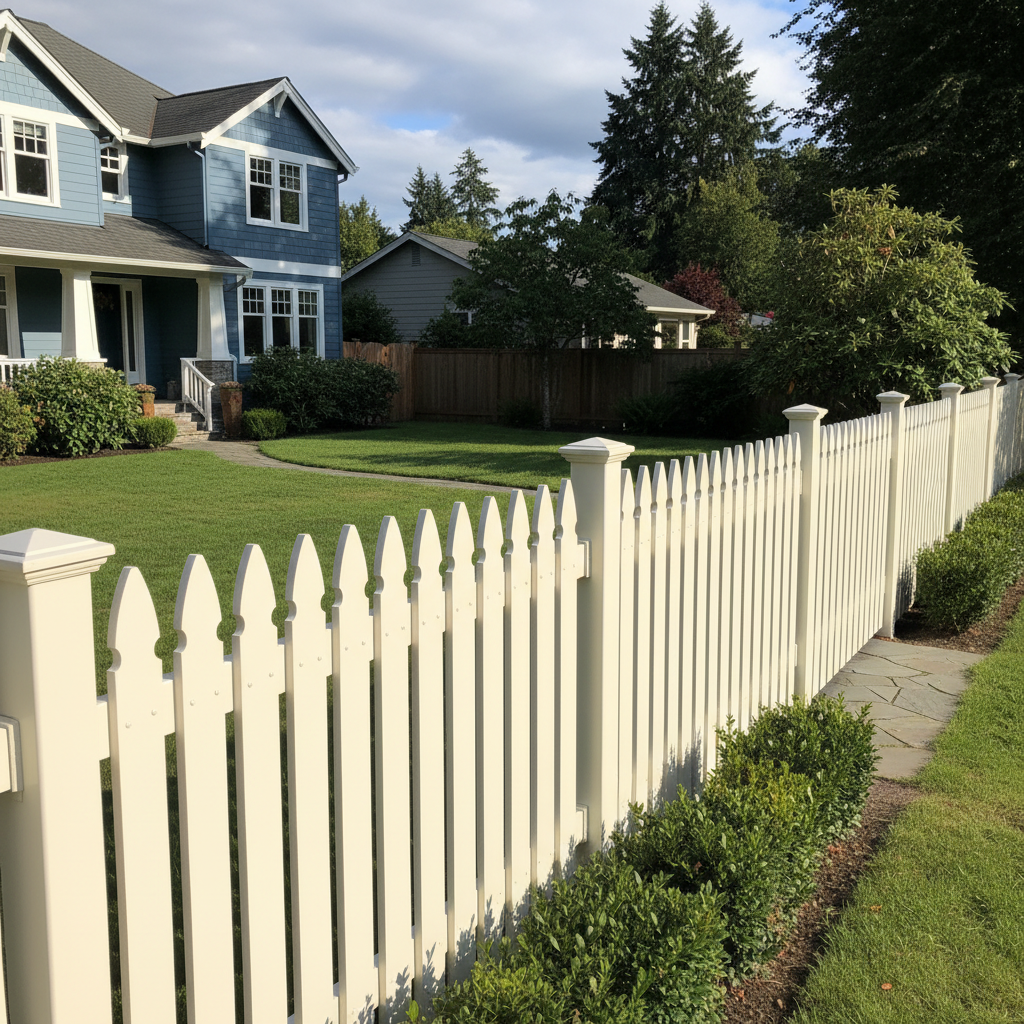
You just painted your fence, right? Maybe it was a fresh coat on that old cedar fence, or maybe you just had a new one put in. Either way, you want that paint job to last. And down here in Shoreline, with our damp winters and those surprisingly sunny summers, a fence really takes a beating. It's not just about looking good, you know? It's about protecting the wood underneath. Think of the paint as a shield.
Extending the Life of Your Fence Paint
The absolute biggest thing you can do to make your fence paint last longer actually starts *before* the first brushstroke. But since we're talking maintenance, let's focus on what you can do *after* it's painted. First off, proper prep is huge. If your fence wasn't cleaned, scraped, and primed correctly, no amount of maintenance will save it long-term. But assuming it was done well, here’s what I tell folks:
- Keep it Clean: Dirt, grime, and especially mildew just love to cling to painted surfaces. A gentle wash once a year, maybe in late spring after the worst of the rain has passed, can do wonders. Just don't blast it with a high-pressure washer unless you really know what you're doing – you could strip the paint right off or even damage the wood. Usually, a garden hose with a spray nozzle, a soft brush, and a mild detergent (like dish soap or an outdoor cleaner) is all you need.
- Trim Back Vegetation: This is a big one, honestly. Bushes, ivy, or trees growing right up against your fence trap moisture against the wood. That's an open invitation for rot and mildew, which will break down your paint faster than almost anything else. Give your fence some breathing room.
- Address Drainage: If water is constantly pooling at the base of your fence, it's going to wick up into the wood and cause problems. Make sure your gutters aren't dumping water right next to it, and check that the ground slopes away properly.
Regular Maintenance: What to Look For
You don't need to inspect your fence with a magnifying glass every single week, but a quick walk-around a couple of times a year can catch small issues before they turn into big, expensive ones. Here’s what I'm looking for:
- Mildew and Algae: This is super common around here, especially on the north-facing side of fences or in shady spots. It looks like black, green, or even dark brown splotches. If you see it, clean it off. Left untreated, it'll actually eat away at the paint film.
- Peeling or Cracking Paint: This is usually a sign that moisture is getting under the paint, or the paint itself is just old and losing its elasticity. Small areas can often be scraped, sanded, primed, and touched up. Don't ignore it, because once water gets in, it'll spread like wildfire.
- Fading: All paint fades eventually, especially on surfaces that get a lot of direct sun. Fading isn't necessarily a structural problem, but it does mean the UV protection in the paint is breaking down. It's an aesthetic issue, yes, but also an indicator that the paint's protective qualities are diminishing.
- Loose or Damaged Boards: A wobbly fence post or a cracked picket isn't directly a paint problem, but it affects the integrity of the whole structure. Fix these mechanical issues first, then address any paint damage.
Especially with all the rain we get in neighborhoods like Richmond Beach or Innis Arden, keeping an eye on moisture-related issues is absolutely critical. Our wet climate is just tough on exterior finishes.
When to Call a Professional
You can handle a lot of the basic cleaning and minor touch-ups yourself. But there are times when it just makes sense to bring in the pros. Here's when I'd say give us a call at Top Notch Painting Inc:
- Widespread Peeling or Flaking: If you've got large sections of paint failing, it's probably not just a quick touch-up job. This often means the entire fence needs to be prepped and repainted properly. Trying to spot-fix a whole fence will just look patchy and won't last.
- Significant Mildew or Rot: If mildew is deeply embedded or you're seeing signs of wood rot, you might need more aggressive cleaning or even board replacement before repainting. We've got the right tools and products to tackle that without damaging your fence.
- You Don't Have the Time or Tools: Let's be honest, cleaning and repainting a fence is a big job. If you don't have the time, the right ladders, or just don't want to spend your weekend scrubbing, that's what we're here for.
- Unsure About the Cause: If you're seeing problems and can't figure out why, a professional can diagnose the underlying issue. Is it poor drainage? Bad prep? The wrong type of paint for our climate? We can tell you.
Keeping your fence looking good and protected isn't rocket science, but it does take a little consistent effort. A well-maintained fence not only boosts your curb appeal but also protects your investment for years to come. Don't wait until it's a complete mess; a little proactive care goes a long way.