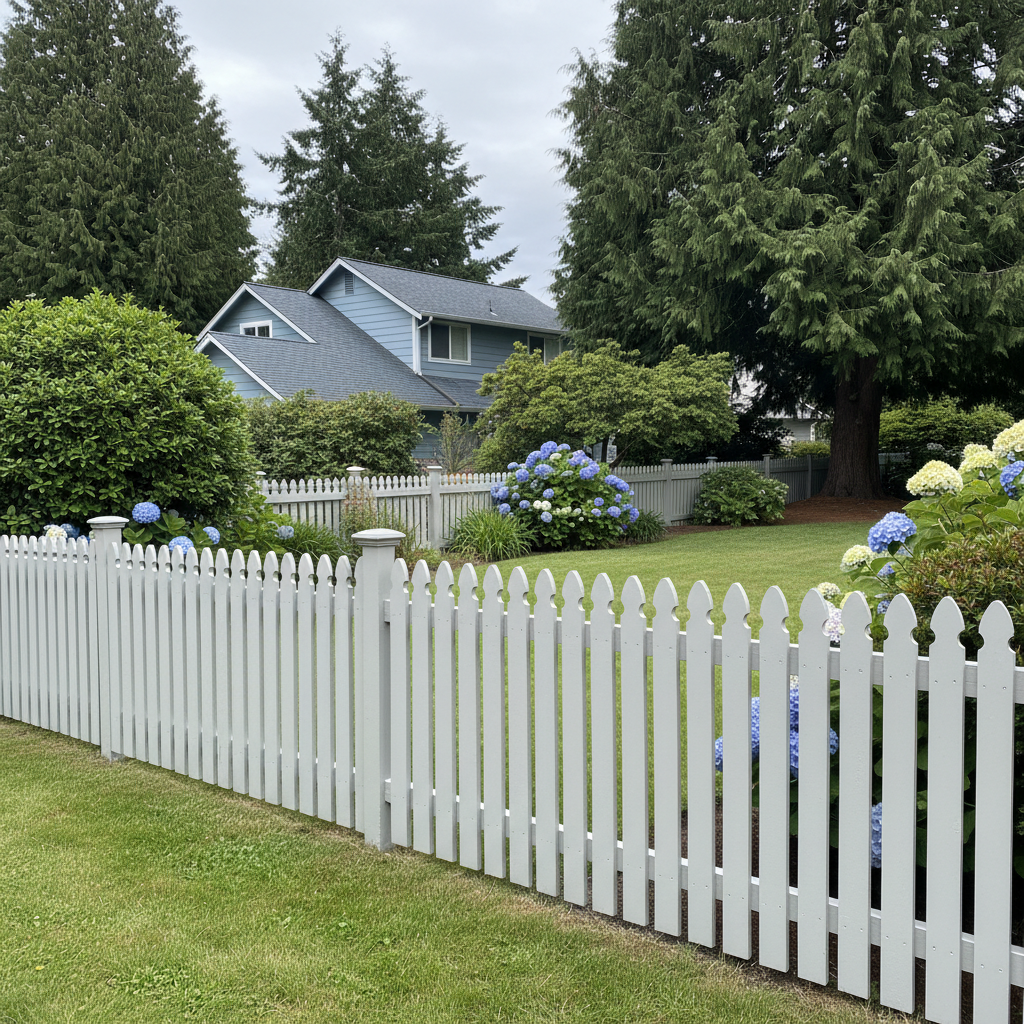
So, you just put money into a beautiful painted fence, maybe even had Top Notch Painting Inc. do the job. It looks fantastic, really spruces up the yard, and adds some serious curb appeal. But here in Shoreline, our Pacific Northwest weather — especially those long, wet winters and the moss-friendly conditions — can be pretty tough on exterior paint. You can't just paint it and forget it, not if you want it to last. Think of it like changing your car's oil; a little regular care goes a long way, doesn't it?
Making Your Fence Last Longer in Our Climate
The biggest enemy of a painted fence around here? Moisture. It's not just the rain, you know. It's the constant dampness, the fog rolling in off the Sound, and that general humidity that really gets to the paint. To make your fence last longer, you've got to manage that moisture as best you can. First off, make sure no plants, bushes, or trees are growing right up against the fence. They trap moisture against the wood, which is a perfect setup for mildew, mold, and rot. Give your fence some room to breathe – aim for at least six inches, but a foot is even better. This lets air move around and helps the fence dry out after a good downpour.
Another thing I always tell folks: check your sprinklers. Are they hitting the fence every time they go off? That's just unnecessary water exposure. Adjust them so they're watering your lawn or garden, not constantly drenching your fence. It sounds simple, but you'd be surprised how often I see this contributing to paint failing too soon. Good drainage around the fence line is also super important. If water pools up at the base, it's going to wick right up into the wood, causing paint to peel and the wood to rot from the bottom up.
Regular Maintenance: What You Actually Need To Do
Regular maintenance for a painted fence isn't rocket science, but it does need a little attention a couple of times a year. Your main goal is to keep it clean and dry. I recommend a gentle cleaning every spring, after the worst of the winter weather has passed, and maybe again in the fall before the heavy rains really kick in. For most fences, a soft brush and a bucket of water with a mild detergent (like dish soap) will do the trick. You're just trying to get rid of surface dirt, pollen, and any early signs of mildew.
For tougher spots, especially that green moss or black mildew that loves our shady, damp areas – like fences on the north side of a house or tucked away in a heavily treed yard near Richmond Beach – you can use a diluted bleach solution (1 part bleach to 3 parts water) or a commercial deck and fence cleaner. Apply it, let it sit for a few minutes, then scrub gently and rinse thoroughly. Make sure you rinse really well; you don't want cleaning chemicals just sitting on the paint. If you're using a pressure washer, be extremely careful. Too much pressure can blast paint right off the wood and even damage the wood itself. Use the lowest effective setting and keep the nozzle moving. A fan tip is usually your best bet. While you're cleaning, take a good look at the fence. Any loose nails or screws? Tighten them up. Boards starting to warp or crack? Fixing these small issues early can prevent much bigger problems down the line.
Warning Signs Your Fence Needs More Than Just a Cleaning
You'll know when your fence needs more than just a quick scrub. Keep an eye out for these red flags. Peeling or blistering paint is a big one. This usually means moisture is getting under the paint film, either from inside the wood or because the surface isn't drying properly. If you see paint flaking off in sheets, that's a clear sign the adhesion is failing. Another common issue is fading or chalking. The paint might just look dull, or if you run your hand over it, you'll get a powdery residue. This means the paint is breaking down from UV exposure and weathering, and it's losing its protective qualities. Beyond the paint itself, look at the wood. Soft spots, especially near the ground or where water tends to collect, indicate rot. You can usually test this by poking the wood with a screwdriver; if it's soft and spongy, you've definitely got rot. Excessive moss or algae growth that you can't easily clean off can also point to persistent moisture issues that are messing with the paint and the wood. And if you notice the fence leaning or posts getting wobbly, that's a structural problem that needs immediate attention, no question.
When to Call a Professional
Knowing when to call in a pro can save you a lot of headaches and potentially more money later on. If you're seeing widespread peeling, blistering, or significant wood rot across multiple sections of your fence, it's probably time for a professional assessment. These aren't just cosmetic issues; they indicate a failure of the paint system or the wood itself. A professional painter, like us at Top Notch Painting Inc., can properly figure out the problem, prepare the surface correctly, and apply new coatings that will stick and protect your fence for years to come. Also, if you're uncomfortable with the idea of pressure washing, or if you're dealing with a very tall or intricate fence, it's often best to let someone with the right equipment and experience handle it. We know how to clean without damaging the wood or the surrounding landscape. Don't wait until your fence is practically falling apart. Catching these problems early and getting expert advice can mean the difference between a simple repair and having to replace the entire fence.